-

How to Experience better Employee Retention
Read more: How to Experience better Employee RetentionYou don’t need a hiring and retention strategy. You need to become the kind of business that hires and retains great people through a great employee experience. As I interact with leaders who are looking to grow their businesses, hiring and retention are becoming far more often cited barriers to growth. I spoke to a…
-
Handling Change Objectors
Read more: Handling Change ObjectorsInevitably, when you’re trying to change culture of your business, someone won’t get on board. And these objectors create the biggest obstacle to making a new culture stick. Everyone else is watching to see how you handle it. Will you stick to the culture? Or, will you make an exception for the top salesperson, or…
-

Astonish the World with your Generosity
Read more: Astonish the World with your GenerosityThose words stood out from the dozens of great points that Matthew Kelly shared at the Faith and Business Conference last week. I posted my primary takeaway on LinkedIn. This post is a dump of my notes from his talk: Want the right things. If we want the right things, life goes in a good…
-
Don’t forget the onboarding
Read more: Don’t forget the onboarding“What are you doing here?” Those are NOT the words you want to hear when you show up for your first day on a new job. But that’s what happened to a leader at one of my clients when he started a few years ago. He was hired by the owner who was out of…
-
Focus on the Mission First
Read more: Focus on the Mission FirstOne of the many benefits to your business of taking the time to define the culture is that it makes subsequent decisions easier. That’s the lesson business leaders can take from Coinbase CEO Brian Armstrong when they’re asked to weigh in on divisive social issues. Armstrong shared the story on the Tim Ferris Show. Some…
-
Confusing Onboarding with Orientation? Only One Leads to Long-Term Employee Success
Read more: Confusing Onboarding with Orientation? Only One Leads to Long-Term Employee SuccessDo your new hires get onboarding? Or mostly orientation? There’s no more important time for the employees in your company than the first 90 days. That’s when relationships are made or broken. That’s why onboarding is so important. But I find that most businesses confuse onboarding with orientation. Orientation is the employee manual. It’s the…
-
Let Your Values Guide Your Policies
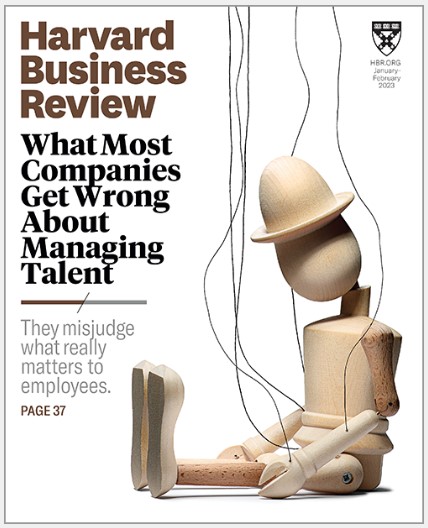
Read more: Let Your Values Guide Your PoliciesThe first step in my business transformation process is to define the business culture. To intentionally decide who you want to be and what you want to do. Why? Because once you define that, it makes other decisions for you. And the fewer the decisions you have to make, the faster you can adapt and…
-
Disagree and Commit
Read more: Disagree and CommitOne sign of a healthy business culture is people who are willing to push back on the leadership team’s ideas, processes, and plans. You see that in meetings filled with debate and argument. The leaders ideas are tested, plans are debated rather than accepted uncritically. But another sign of a healthy business culture is that…
-
Happy Labor Day!
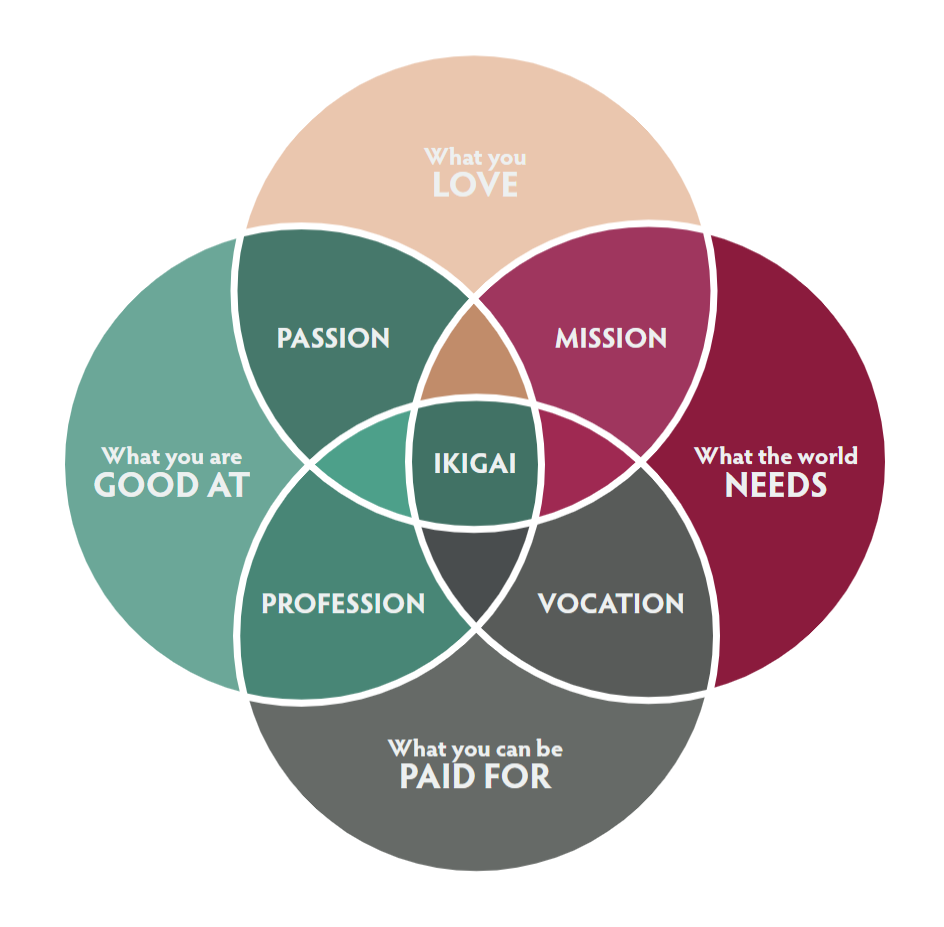
Read more: Happy Labor Day!Labor Day. Where we celebrate work by taking the day off of work! 🤷♂️ That has always seemed weird to me. I prefer the Japanese approach to work as exemplified by the word, Ikigai. The word roughly translates as “the happiness of always being busy” or “reason for being.” The Japanese characters that make up…
-
You Already Have a Culture Committee
Read more: You Already Have a Culture CommitteeI recently had a client ask me if they should have a culture committee. But they already have one. You do, too. Sooner or later, plenty of companies create a committee charged with “improving the culture.” Typically, this leads to popcorn on Fridays, or company bowling night, or picnics, or… any number of well-intentioned gatherings.…
